Driveline Fleet - car leasing. All you've gotta do is drive!

  • Home
  • About
    • About Us
    • About Car Leasing
    • About Car Financing
    • About Ex-Lease Cars
    • About Novated Lease
    • Why use a car lease company?
  • Lease New
    • Utes
    • SUVs
    • Small Cars
    • Medium Cars
    • Large Cars
    • EVs & Hybrids
    • Prestige European Cars
    • Vans
    • People Movers
    • Trucks
    • Plant & Equipment
  • Ex-Lease & Used
  • Services
    • Car Accident Management
    • Fuel Card
  • Resources
    • Blog
    • Compare EV vs Petrol vs Hybrid
    • Ute Finance Deals
    • Ute Lease Deals
    • Tradie Utes & Vans
    • Mobile Vet Clinics
    • Downloads
    • Car Finance & Lease Tutorials
    • Verified Customer Reviews
    • Website Privacy Policy
    • Website Terms of Use
    • Disclaimer
  • Contact
    • Find a Consultant
    • Auckland
    • Christchurch
    • Napier
    • Tauranga
    • Wellington
    • Whangarei
  • 0800 275-374
Menu
Home » Blog » How NOT to drive through floodwater
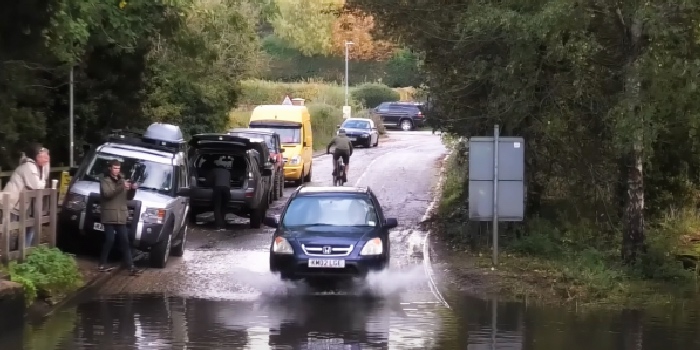
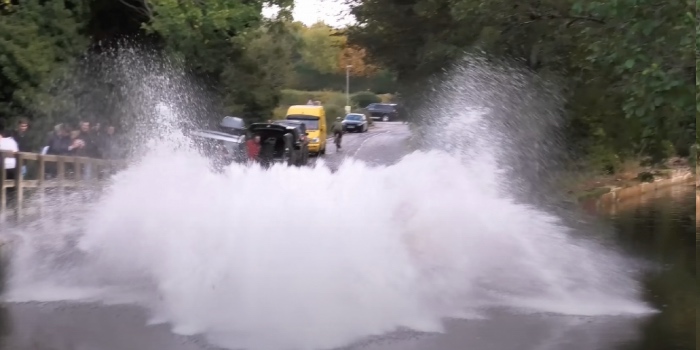
Honda CRV driving through floodwater too fast

How NOT to drive through floodwater

By Lance Manins | Driveline | 2 February 2023 | Posted in Buyer Tips & Tricks

First some advice on how to drive through floodwater, then an entertaining pictorial tutorial on how NOT to drive through floodwater.

If there’s a possibility of flooding or other road hazards such as slips or fallen trees, AA’s key advice is to avoid travel, unless absolutely essential.

AA says you could also run into insurance problems if things go wrong, so it’s best to check your vehicle usage policies before setting out.

But if you do have to drive when there’s been heavy rain and flooding, here’s what to do…

Tips on driving through floodwater

  • Make sure your vehicle is up for the task. If you have an SUV, ute or raised-suspension vehicle you can pass through deeper water than a standard car.
  • The standard car sill height is around 15-20cm. In water a foot deep (30cm), most cars will start to float or feel a bit light. At double that depth you are in danger of being swept away in flowing waters.
  • Drive in the middle of the road. The crown of the road is usually higher than the sides. Driving in the middle also reduces the risk of driving onto a soft verge or hitting a kerb.
  • The recommended speed is 5 km/h maximum when driving through water. Any faster and you can overtake the bow wave generated at the front of the vehicle, which means deeper water beside your vehicle than if you keep that bow wave ahead of you. A small bow wave keeps the water beside the car lower than it might otherwise be.
  • Keep the revs up. Use first gear to keep the revs higher; if your car has an automatic transmission, lock it into low gear. Keeping the revs high helps stop water from entering the exhaust and filling the muffler or catalytic converter, while also reducing the risk of the car stalling.
  • Driving into deep water at speed is like driving into a wall. The resistance of the water will slow your vehicle down extremely quickly and can easily rip number plates and splash guards off. The bow wave will pass through the radiator and into the engine bay, and water can be sucked into the engine. Because water doesn’t compress, even a small amount can cause “hydraulicking” or “hydrolocking” of your engine. This is usually catastrophic and requires a complete engine rebuild.
  • If a vehicle is coming in the other direction, let it past first so that your two bow waves don’t meet.
  • If you’re following another vehicle, wait for it to clear the flood… if it becomes stranded you don’t want to be trapped behind. As soon as you lose momentum, you can run into trouble.
  • Once out of the floodwater, lightly apply your brakes to clear moisture from them and make sure they’re working properly. You don’t want to wait until you need to stop to find out they’re not working.
  • The AA recommends you get your air filter checked if the pressure wave in front of the vehicle was near bonnet level, because this is usually where the engine air intake is.
  • If your vehicle was trapped in flood waters and has water inside, do not attempt to power up the system or start the vehicle, because water could be inside the engine and electrical systems. You are advised to call your insurance company and follow their recommendations.
  • If your vehicle was submerged in flood waters, it will quite likely be written off. The electrics, safety systems, engine and drive train will be full of water and may not recover even if dried out. The cost of replacing all the electrical and safety systems alone could cost more than the value of the vehicle.

A pictorial tutorial on how NOT to drive through floodwater
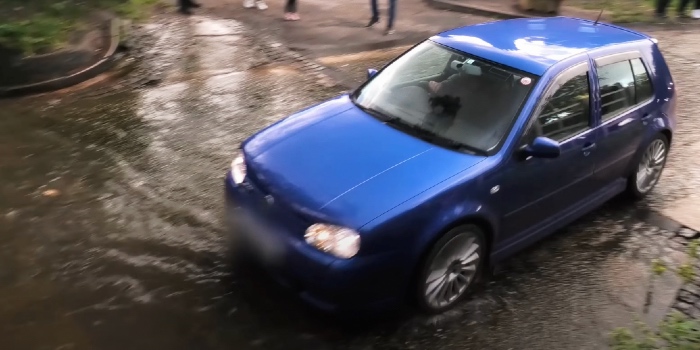
How NOT to drive through floodwater - VW Golf
A VW Golf approaching a flooded section of road. Driving slowly and keeping the revs up should see this driver safely through the flooded section of road.
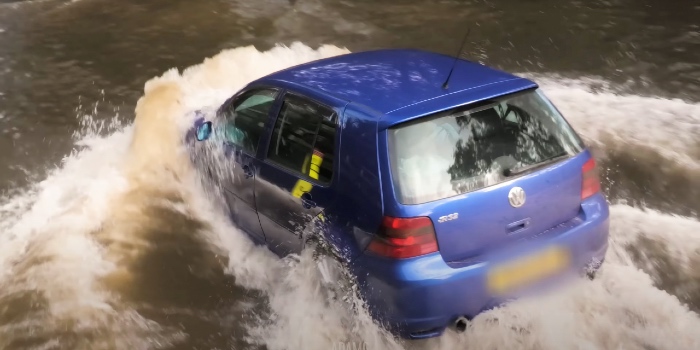
VW Golf driving through floodwater too fast
Oh no, too fast!
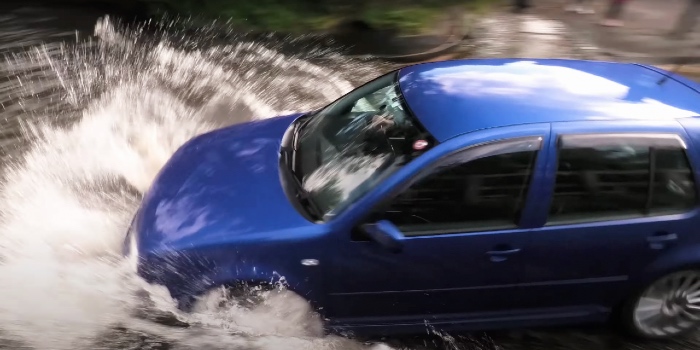
VW Golf driving through floodwater too fast
He’s now overtaken the bow wave, which is crashing up over the bonnet and windscreen.
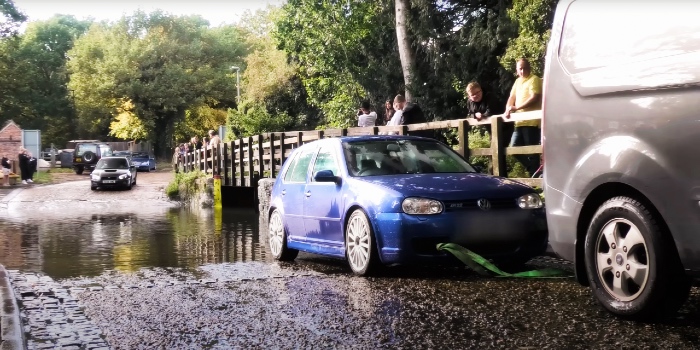
VW Golf being towed out of floodwater
The inevitable consequence is that this car lost power, became stranded, and had to be towed out. Let’s hope the electronics weren’t damaged and the engine didn’t ingest water.
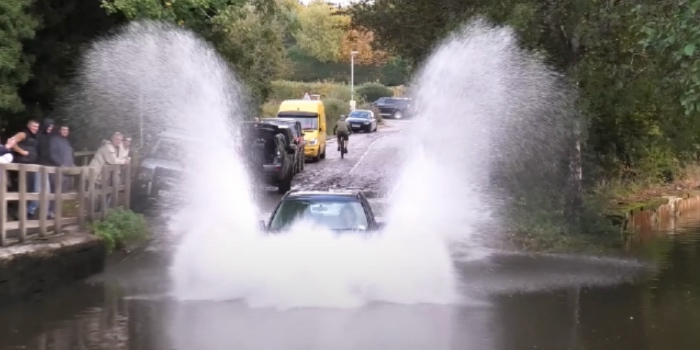
Honda CRV driving through floodwater too fast
SUV’s have raised suspension and can handle deeper water than a normal car, but you still have to be sensible to avoid falling foul of floods.
Honda CRV driving through floodwater too fast
This driver was clearly feeling invincible in his Honda CRV.
Honda CRV driving through floodwater too fast
Oh no, FAR to fast!
Honda CRV stranded after driving into floodwater too fast
The Honda CRV came to a sputtering halt and became stranded in the middle of the floodwater. Note the face-palming passenger dying of embarrassment!
Search our vehicles

About Lance Manins | Driveline

Lance Manins is Managing Director at Driveline Fleet Ltd and has over 25 years of experience in the vehicle leasing and finance industry. He is often invited to speak at conferences and seminars and is regularly quoted in the media as an industry expert. To discuss your requirements feel free to contact Lance.

Related articles

NZ Driving Cost Calculator - EV vs Petrol vs Hybrid

NZ Driving Cost Calculator (2026): EV vs Petrol vs Hybrid

EV vs Petrol Driving Cost Calculator Compare the actual costs of running internal combustion against the … More »

Hybrid vs Plug-in Hybrid vs Electric: Which Vehicle Technology Is Right for Your Business?

Hybrid vs Plug-in Hybrid vs Electric: Which Vehicle Technology Is Right for Your Business?

Understanding the practical differences between hybrid vs plug-in hybrid vs electric vehicles is crucial for making … More »

How To Make Your Complex Ute Fitout Easy & Affordable

How To Make Your Complex Ute Fitout Easy & Affordable

Businesses often have specific ute fitout requirements to meet their needs - trays, canopies, tool boxes, drawers, … More »

Latest posts

NZ Driving Cost Calculator - EV vs Petrol vs Hybrid

NZ Driving Cost Calculator (2026): EV vs Petrol vs Hybrid

Driveline Merry Christmas

🎄 Merry Christmas and a Happy New Ute!

Most Trusted Vehicle Finance Company 7 Years Running

Most Trusted Vehicle Finance Company: Driveline’s 7th Win

Categories

  • Behind the Veil
  • Buyer Tips & Tricks
  • Case Studies
  • Driveline TV – Video Reviews
  • Ex-Lease & Used
  • News
  • Plant & Equipment
  • Pre-Approved Finance
  • Reviews
  • Smart Deals
    • BYD
    • Dodge
    • Ford
    • Foton
    • Hyundai
    • Isuzu
    • Land Rover
    • LDV
    • Mercedes Benz
    • MG
    • Mitsubishi
    • Nissan
    • Peugeot
    • Renault
    • Skoda
    • Ssangyong
    • Subaru
    • Suzuki
    • Tesla
    • Toyota
    • Van & Ute Specials
    • Volkswagen
  • Uncategorized

Blog

NZ Driving Cost Calculator - EV vs Petrol vs Hybrid

NZ Driving Cost Calculator (2026): EV vs Petrol vs Hybrid

Compare annual petrol vs electric car costs with the $76/1,000km RUC. See how much your NZ fleet can save in 2026 with our real-time fuel and electricity calculator. Read more »

Driveline Merry Christmas

🎄 Merry Christmas and a Happy New Ute!

The busy wee chickens at Driveline are taking a well-earned summer break. Our last day for business is Monday 23 December. Back 5 January. Read more »

Most Trusted Vehicle Finance Company 7 Years Running

Most Trusted Vehicle Finance Company: Driveline’s 7th Win

For the 7th consecutive year, Driveline has been voted New Zealand's most trusted vehicle finance company in the Most Trusted Business Awards. Read more »

CowManager NZ Launch: How Driveline Made It Happen

CowManager NZ Launch: How Driveline Made It Happen

When CowManager NZ needed 14 vehicles on a tight deadline, but had no trading history, Driveline found a way. Here's how we made it happen. Read more »

Hybrid vs Plug-in Hybrid vs Electric: Which Vehicle Technology Is Right for Your Business?

Hybrid vs Plug-in Hybrid vs Electric: Which Vehicle Technology Is Right for Your Business?

Understanding the practical differences between hybrid vs plug-in hybrid vs electric vehicles is crucial for making informed fleet decisions. Read more »

Ford Ranger Super Duty Mud Test: Built Ford Tough Gets Dirty

Ford Ranger Super Duty Mud Test: Built Ford Tough Gets Dirty

Ford's latest Ford Ranger Super Duty mud test proves what "built tough" really means - 600kg of mud caking everything & still running strong. Read more »

Quick Info

  • Home
  • About Us
  • About Car Leasing
  • About Car Financing
  • About Ex-Lease Cars
  • About Novated Lease
  • Fuel Card
  • Blog
  • Why use a car lease co.?

Quick Contact

» 0800 275-374
» Get a quote
» Find a consultant near you
» info@driveline.co.nz

Driveline logo
  • Facebook
  • Rss

Copyright © 2011-2026 Driveline Fleet Ltd. All Rights Reserved | admin | EVOLVE® marketing agency

Get Cheeky Automotive News & Insider Views...

It's not always PC, but it is straight talking. Delivered once-a-week to your inbox. Unsubscribe at any time.

Email